Understanding the Permaculture Design Process for Sustainable Ecosystem Planning
Updated: Jan 25
Transforming a piece of land into a vibrant, self-sustaining ecosystem feels like a magical journey. I’ve found that the key to success lies in understanding the permaculture design process. This approach helps you work with nature, not against it, creating a landscape that feeds you, supports wildlife, and thrives with minimal effort. Whether you’re nurturing a backyard garden or managing a small farm in Western North Carolina, this process offers a clear path to sustainable ecosystem planning.
Transforming Your Land into a Thriving Ecosystem
Transforming your land into a thriving ecosystem is not just a dream; it’s an achievable goal. The journey begins with understanding the principles of sustainable ecosystem planning. This method allows you to design your land in a way that mimics natural systems. It’s about creating harmony among plants, animals, soil, water, and people. By doing so, you can cultivate a landscape that requires less maintenance while providing abundant resources.
What Is Sustainable Ecosystem Planning?
Sustainable ecosystem planning is about designing your land to function like a natural system. It means creating a balance where plants, animals, soil, water, and people all support each other. Instead of fighting nature’s rhythms, you harness them. This approach reduces waste, conserves resources, and builds resilience against climate challenges.
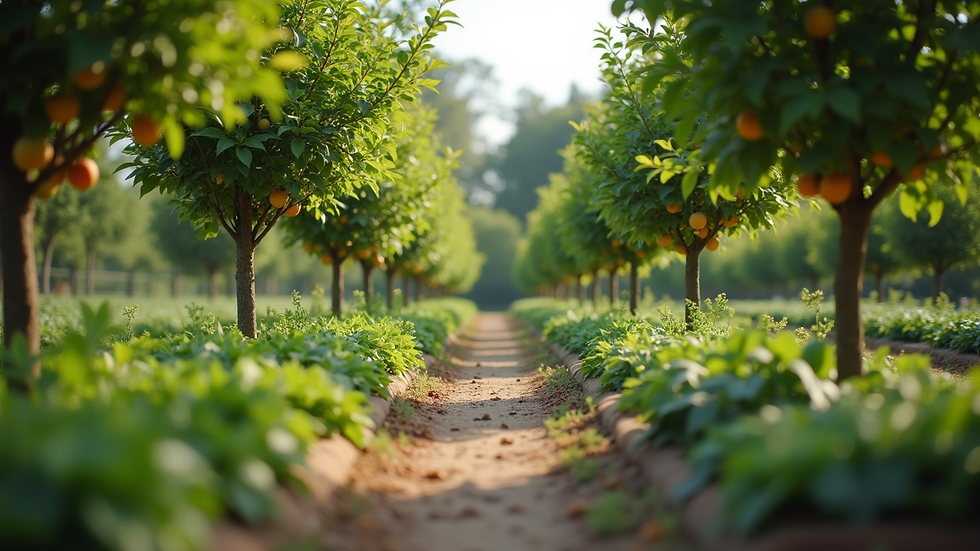
Imagine a garden where fruit trees shade your vegetable beds, bees pollinate flowers, and rainwater nourishes the soil without extra watering. That’s sustainable ecosystem planning in action. It’s not just about planting; it’s about thoughtful placement, timing, and relationships.
Why It Matters in Western North Carolina
The unique climate and terrain of Western North Carolina offer both opportunities and challenges. The region’s rolling hills, rich biodiversity, and seasonal changes call for designs that respect local conditions. Sustainable ecosystem planning here means choosing plants that thrive in the Appalachian environment, managing water wisely on sloped land, and creating habitats that attract beneficial insects and wildlife.
By embracing this approach, you can turn your land into a productive, low-maintenance paradise that reflects the natural beauty of the region.
The Core Steps of the Permaculture Design Process
The permaculture design process is a thoughtful sequence of steps that guide you from observation to implementation. Here’s how I break it down:
1. Observe and Interact
Start by spending time on your land. Walk around during different times of the day and seasons. Notice where the sun hits, where water collects, and how the wind moves. Look for existing plants, wildlife, and soil conditions. Take notes or sketch maps.
This step is about listening to your land. For example, you might find a natural depression that collects rainwater or a sunny slope perfect for growing berries. These observations shape your design.
2. Analyze and Assess
Next, evaluate what you’ve observed. Identify strengths, weaknesses, opportunities, and threats. What resources do you have? What challenges need addressing? This might include soil quality, water availability, or invasive species.
For instance, if you notice poor soil in one area, you might plan to build raised beds or add compost. If a spot gets too much wind, consider planting windbreaks.
3. Design and Plan
Now, it’s time to create a detailed plan. Use your observations and assessments to decide where to place plants, water features, paths, and structures. Think about how elements can support each other. For example, planting nitrogen-fixing trees near vegetables can improve soil fertility naturally.
Draw a map or use design software to visualize your plan. Include layers like plant types, water flow, and animal habitats. This step turns ideas into actionable blueprints.
4. Implement in Phases
Start small and build gradually. Begin with key elements like soil improvement or water management. Plant hardy species first to establish a foundation. As your ecosystem grows, add more layers and diversity.
Phased implementation helps you learn and adapt. For example, after planting a windbreak, you might notice new microclimates that allow for different crops.
5. Monitor and Adjust
A permaculture system is dynamic. Regularly check how your design performs. Are plants thriving? Is water flowing as planned? Adjust your approach based on what you see. This might mean adding mulch, pruning trees, or changing irrigation.
Monitoring keeps your ecosystem healthy and resilient over time.

Practical Tips for WNC Landowners and Gardeners
Here are some hands-on recommendations to make your sustainable ecosystem planning easier and more effective:
Start with native and perennial plants. They’re adapted to local conditions and require less care.
Use contour planting on slopes. This slows water runoff and reduces erosion.
Incorporate edible plants in layers. Think canopy trees, shrubs, ground covers, and root crops all working together.
Build soil health naturally. Add compost, mulch, and cover crops to feed the soil microbes.
Create habitats for beneficial insects and pollinators. Plant flowers that bloom throughout the growing season.
Harvest rainwater. Use barrels or ponds to capture and store water for dry spells.
Plan for diversity. Mix different species to reduce pests and increase resilience.
By applying these tips, you’ll create a landscape that feels alive and productive, with less work and more reward.
Embracing Regenerative Agriculture in Your Backyard
Regenerative agriculture is about restoring the land’s natural vitality. It goes beyond sustainability by actively improving soil, water, and biodiversity. The permaculture design process is a perfect tool for this.
Imagine turning a tired patch of land into a thriving food forest. You plant fruit and nut trees, berry bushes, herbs, and vegetables in a way that mimics a natural forest. You add chickens to control pests and fertilize the soil. You capture rainwater and compost kitchen scraps. Over time, the soil becomes rich and dark, the plants flourish, and wildlife returns.
This approach not only feeds your family but also heals the earth. It’s a gift that keeps on giving.
Your Next Steps Toward a Thriving Edible Ecosystem
Ready to start your journey? Here’s a simple action plan:
Spend a week observing your land. Take notes and photos.
Sketch a rough map. Mark sun, shade, water, and existing plants.
Research native perennials and fruit trees suited for WNC.
Plan your first small project. Maybe a rain garden or a berry patch.
Connect with local permaculture groups or experts. Learning from others is invaluable.
Start planting and building in phases. Celebrate small wins.
Keep a journal. Record what works and what needs tweaking.
Remember, this is a journey, not a race. Each step brings you closer to a land that nourishes you and the environment.
By embracing the permaculture design process, you’re not just gardening - you’re crafting a sustainable ecosystem that thrives year after year. With patience, observation, and care, your land in Western North Carolina can become a lush, low-maintenance haven full of life and abundance.
Happy planting!


Comments